Dealer Port
Using Ecommerce Without Ecommerce
Client
Notus Electronics Ltd.
St. John’s, Newfoundland and Labrador, Canada
Overview
Notus Electronics manufactures highly specialized marine electronics used by commercial fishing operations around the world.
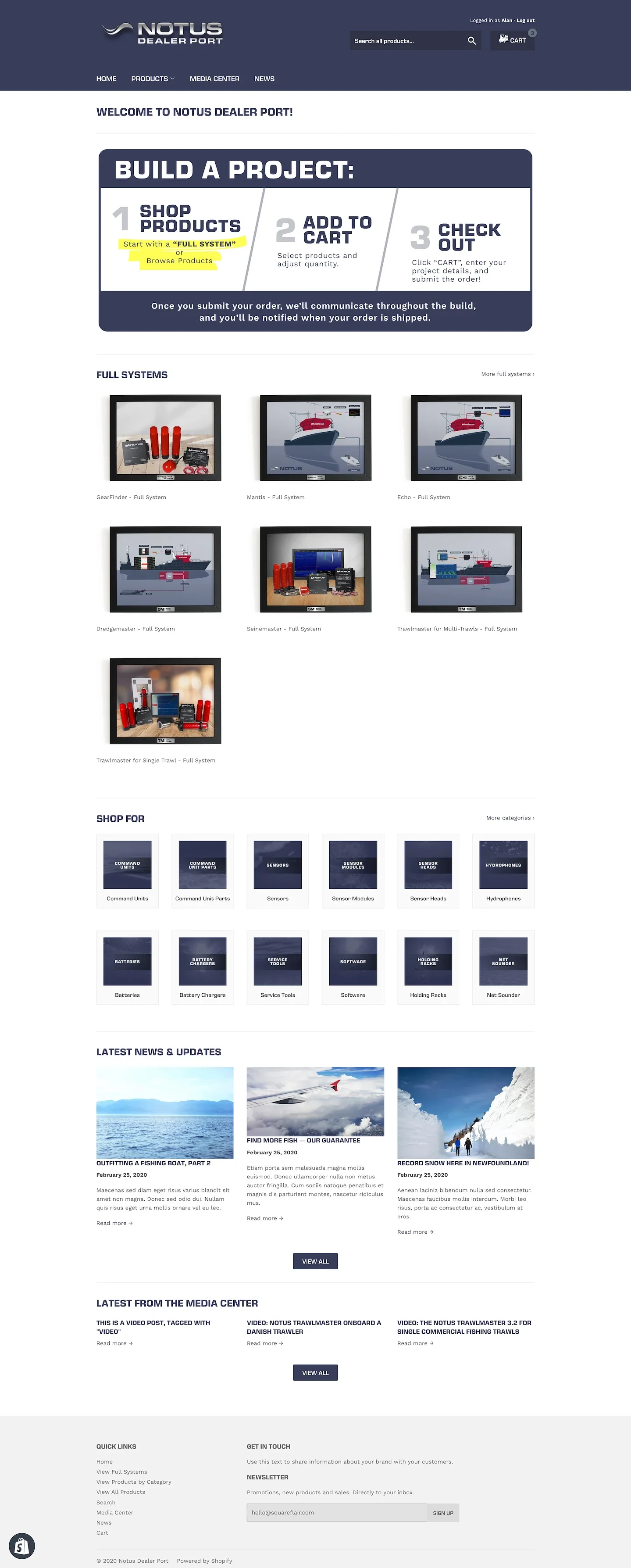
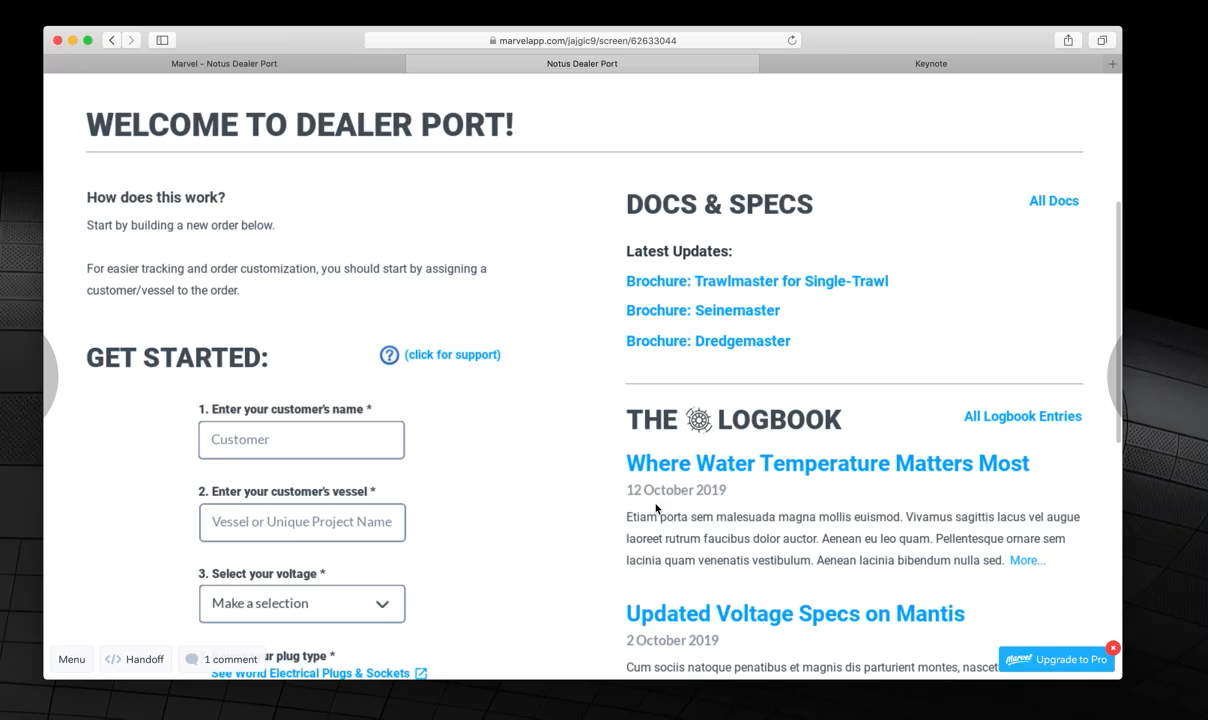
Dealers needed a way to browse products, assemble custom system configurations, submit orders, track production status, and access technical documentation.
At first glance, this sounds like a standard ecommerce problem.
It wasn’t.
The Challenge
Most ecommerce platforms are designed around a simple assumption:
A customer adds products to a cart, enters payment information, and completes a purchase.
Notus couldn’t work that way.
Every order was unique.
Pricing varied by dealer, region, relationship, and negotiated agreements. International currencies, shipping requirements, and custom configurations introduced additional complexity. Many orders required engineering review before production could even begin.
The company wasn’t looking for online payments.
They were looking for a better order-management process.
The Opportunity
Instead of replacing the entire workflow, I focused on identifying which parts of ecommerce were actually valuable.
Dealers were already familiar with:
Product catalogs
Shopping carts
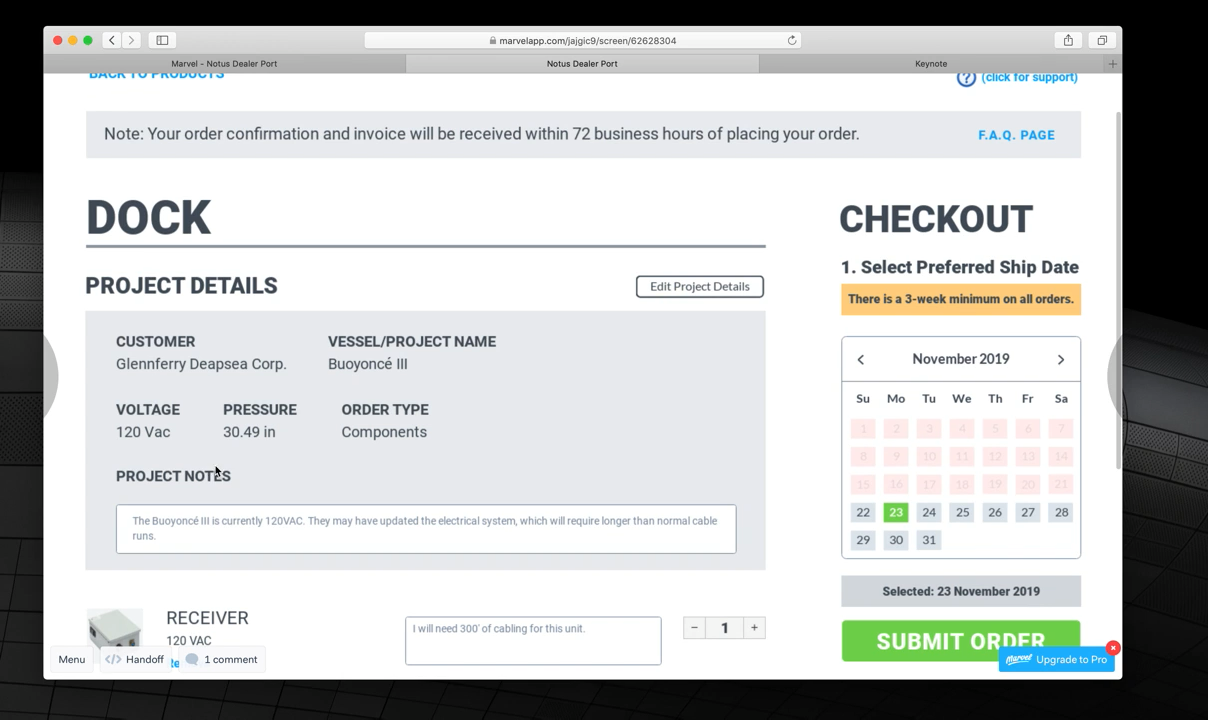
Checkout flows
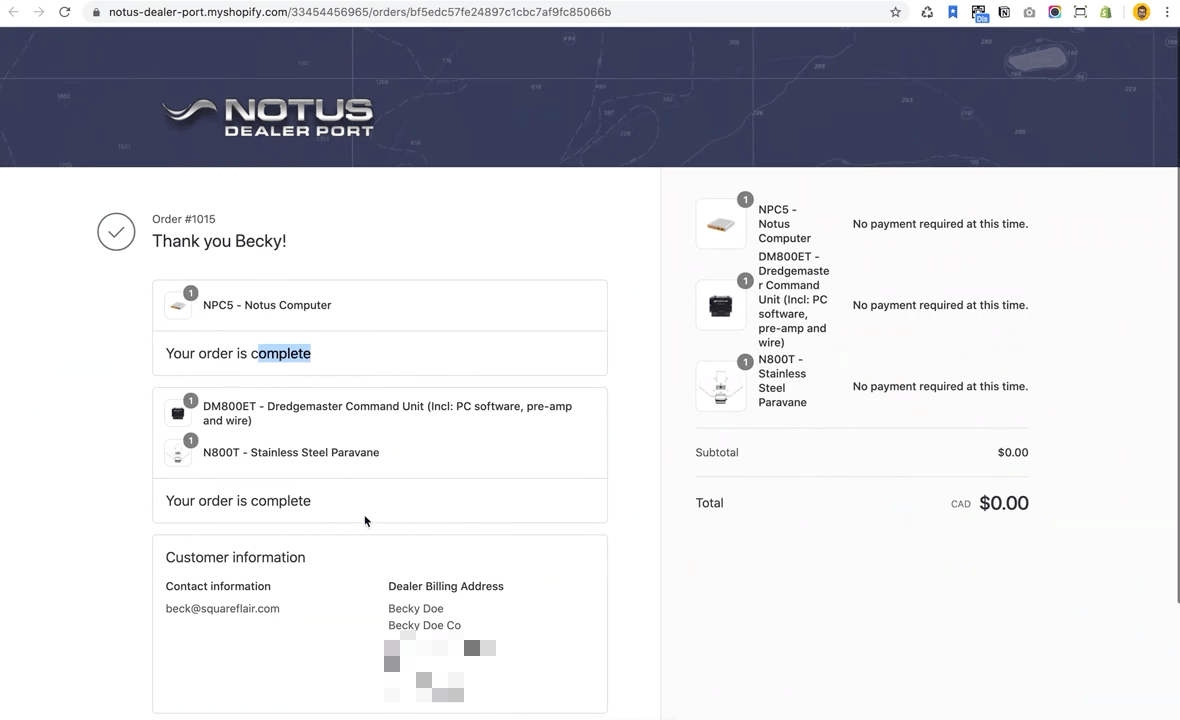
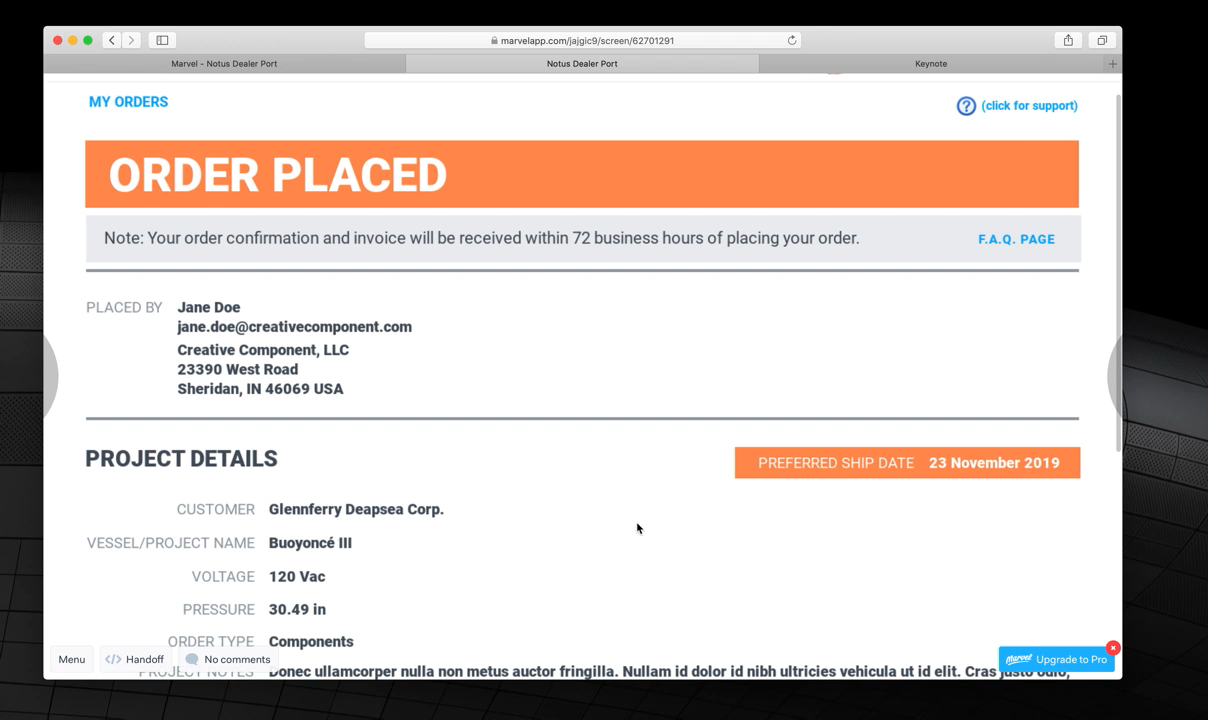
Order confirmations
Account management
Order history
Shipment notifications
Those patterns didn’t need to change.
The payment process did.
Dealers expected the convenience of ecommerce.
Notus needed the flexibility of a custom ordering system.
The challenge was delivering both.
Strategy
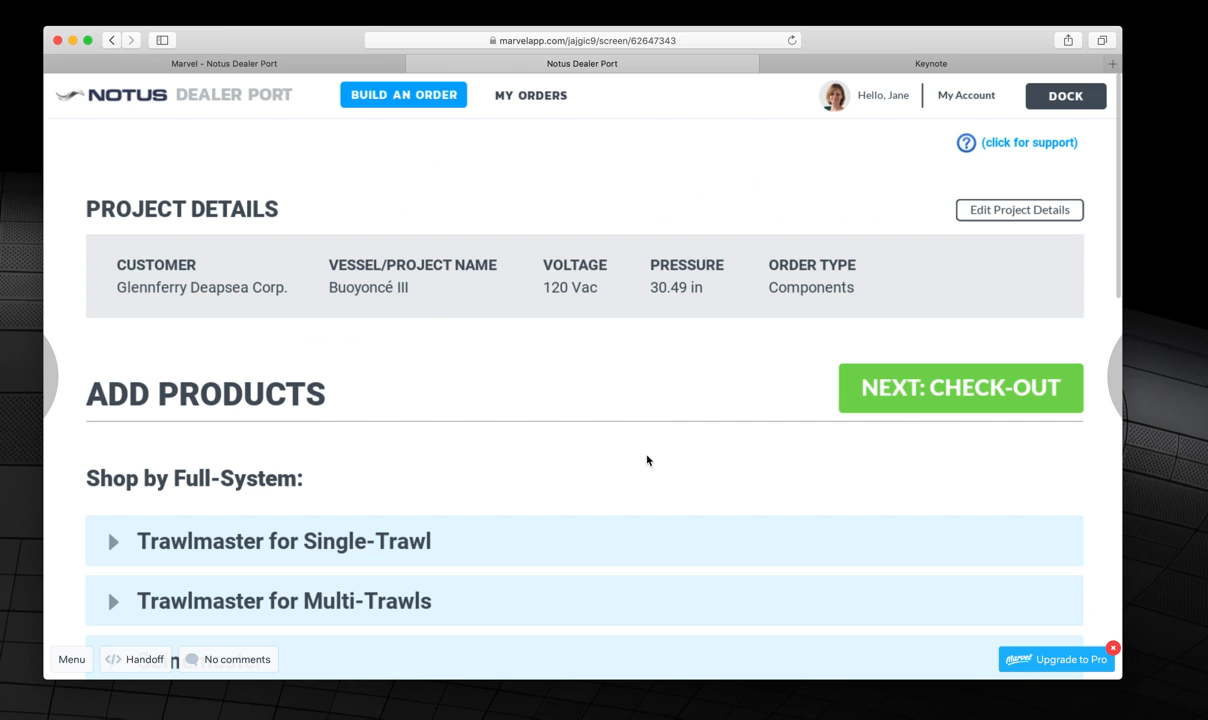
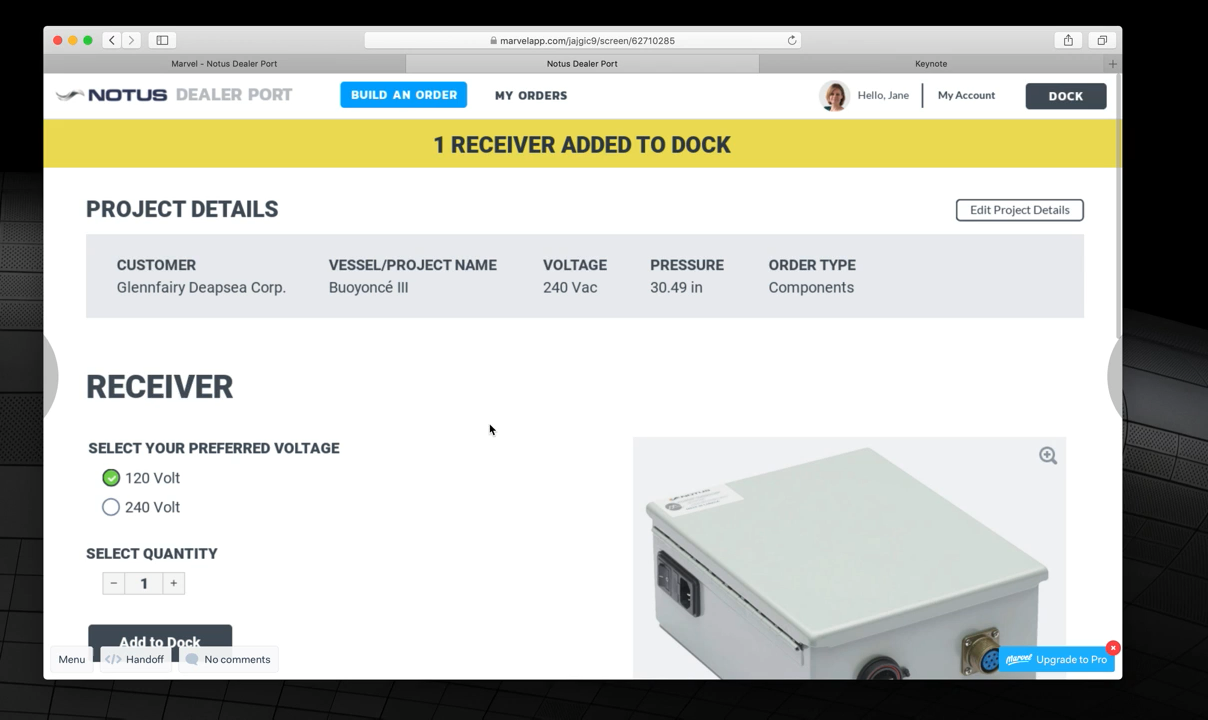
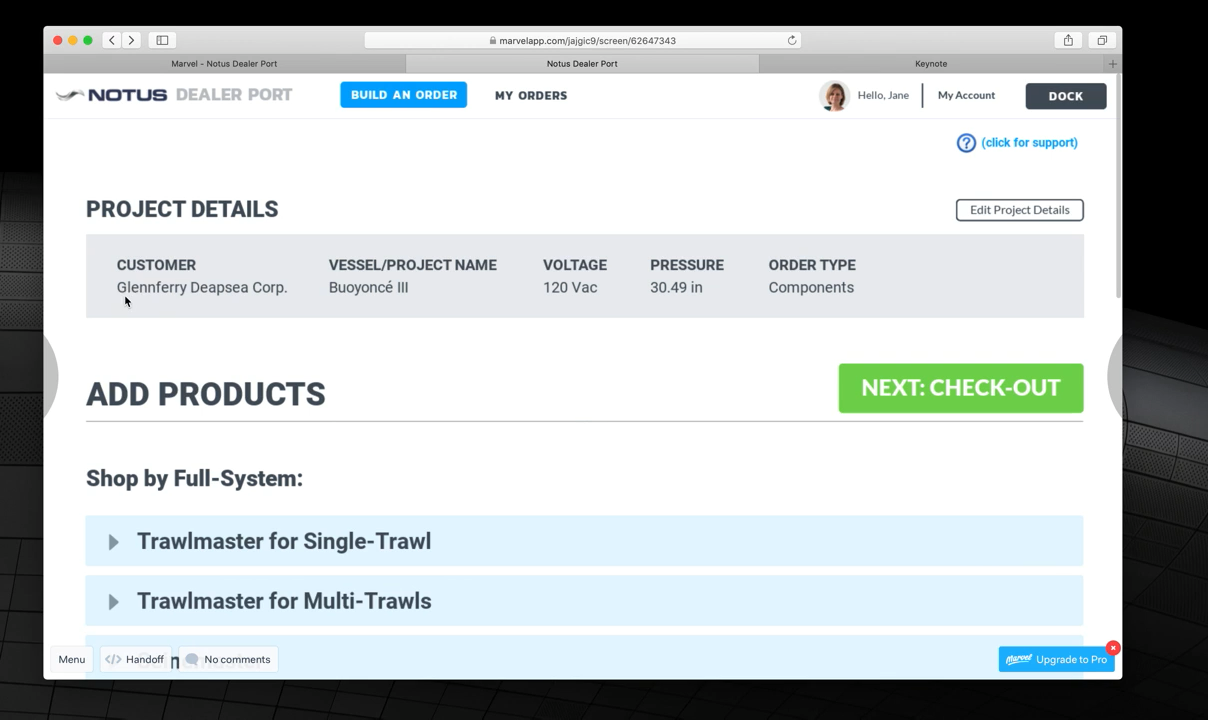
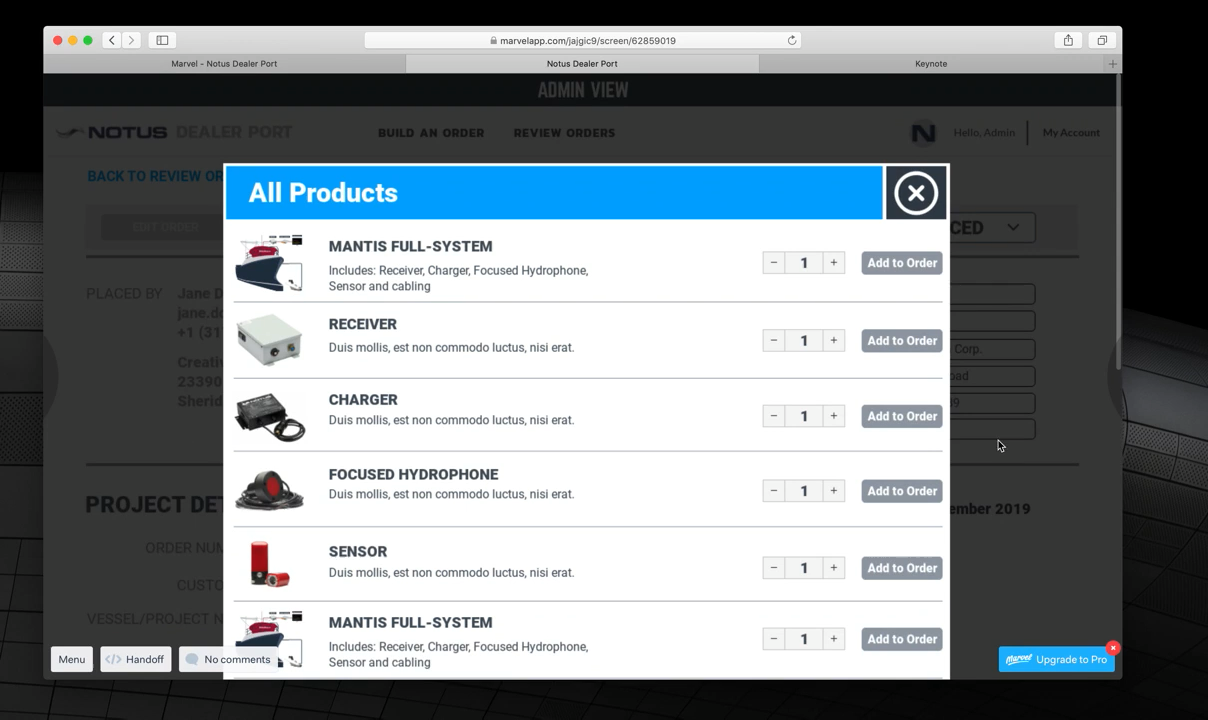
I designed the platform around the concept of an order builder rather than a storefront.
Dealers could:
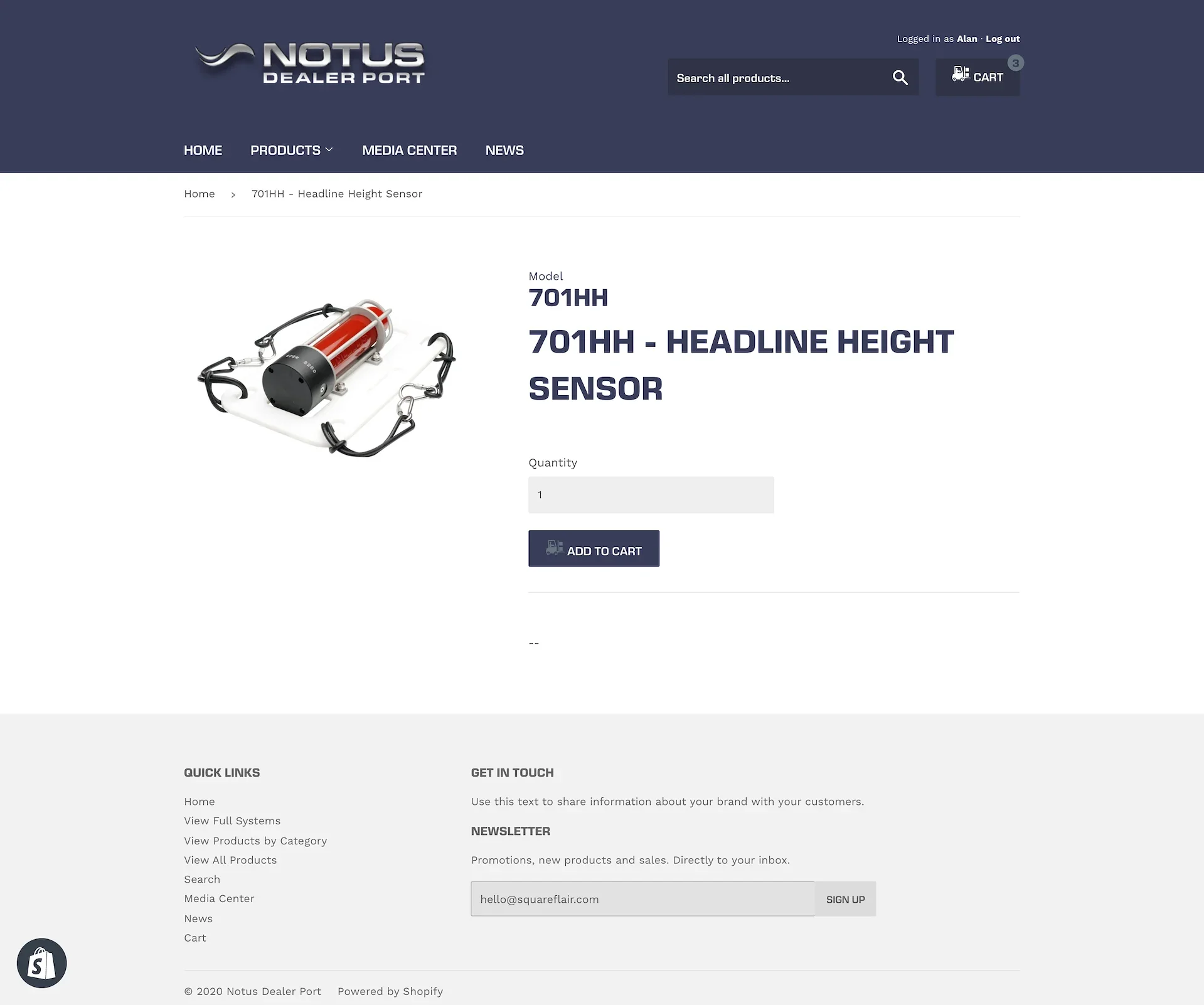
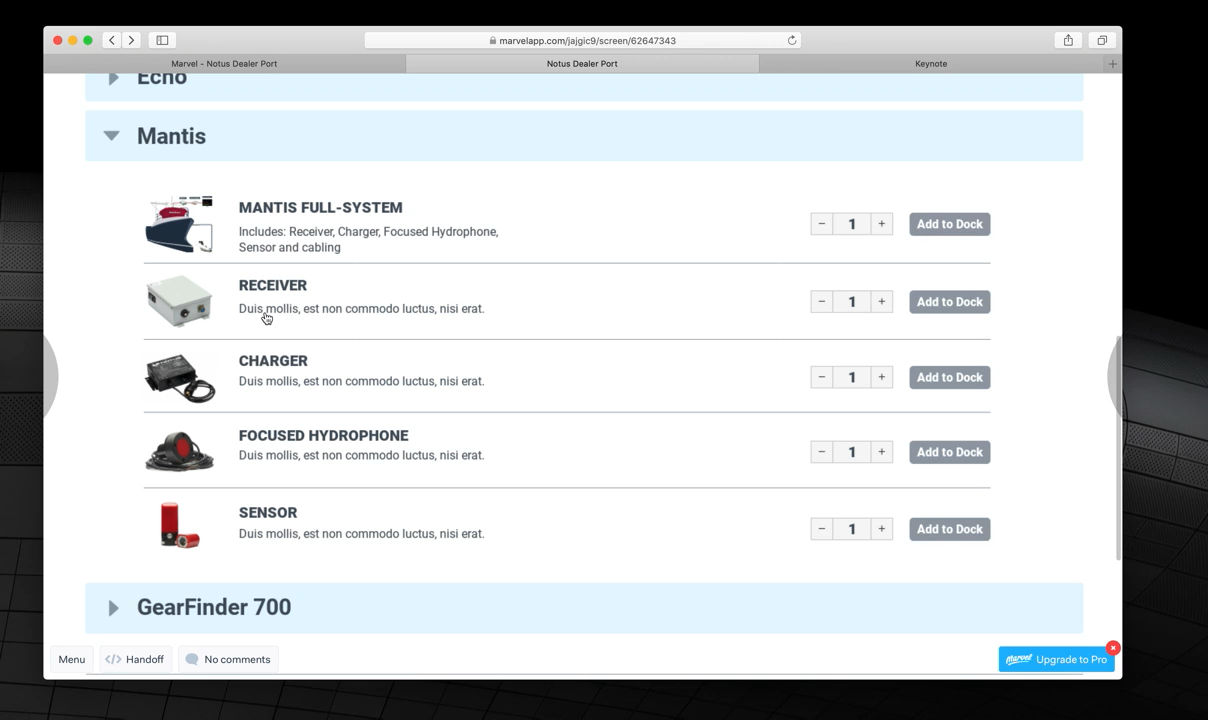
Browse products
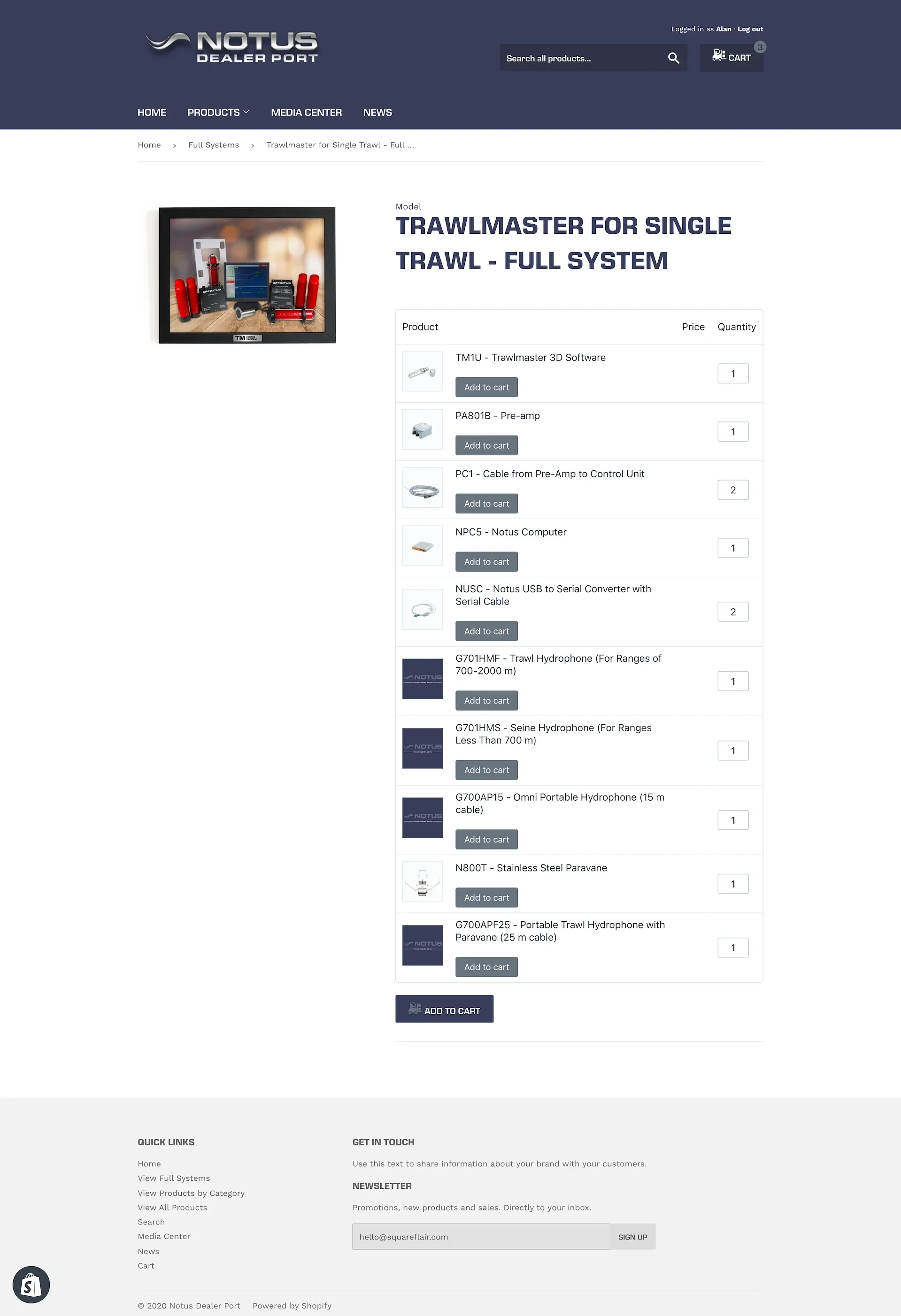
Configure custom systems
Build orders
Submit specifications
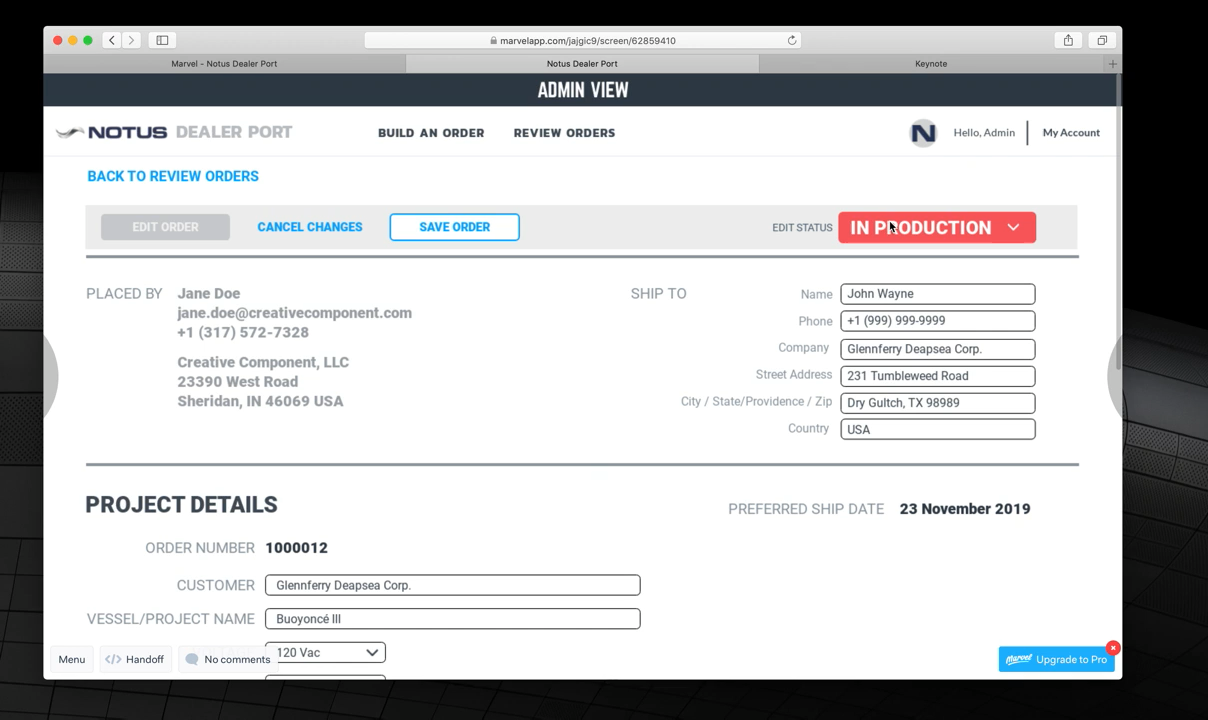
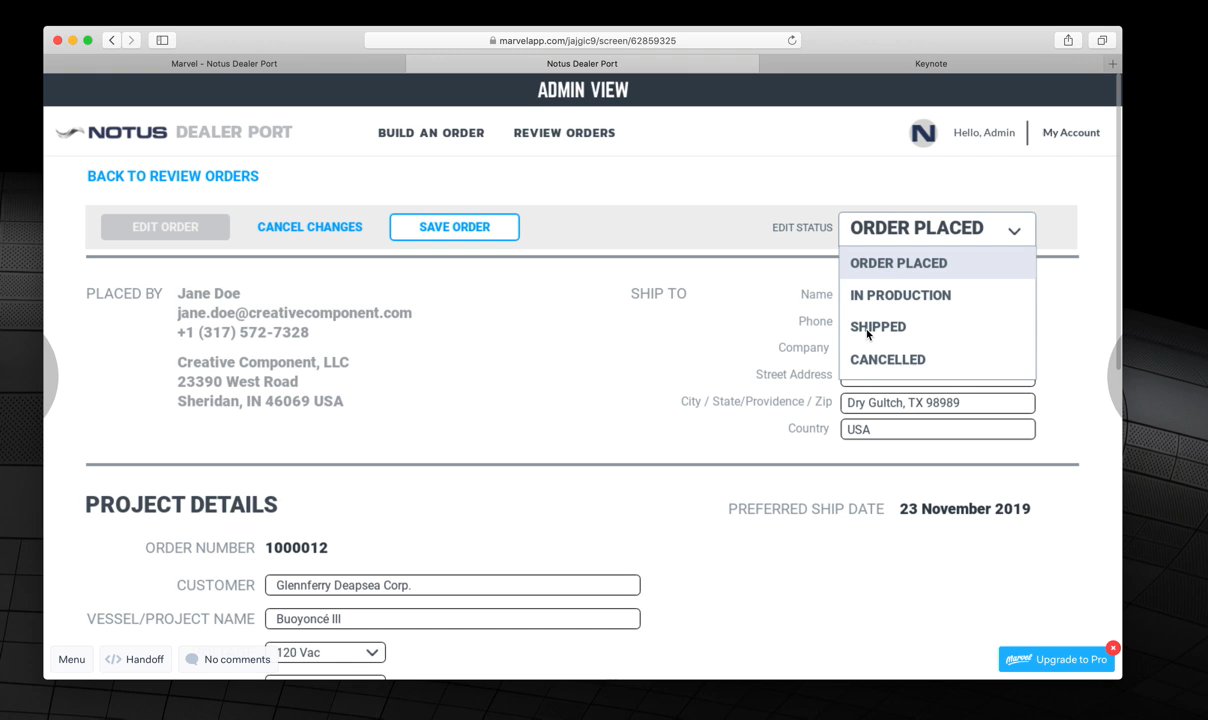
Track progress
Receive status updates
Behind the scenes, Notus continued using its existing invoicing, payment, and fulfillment processes.
This allowed the organization to modernize its workflow without forcing operational changes throughout the business.
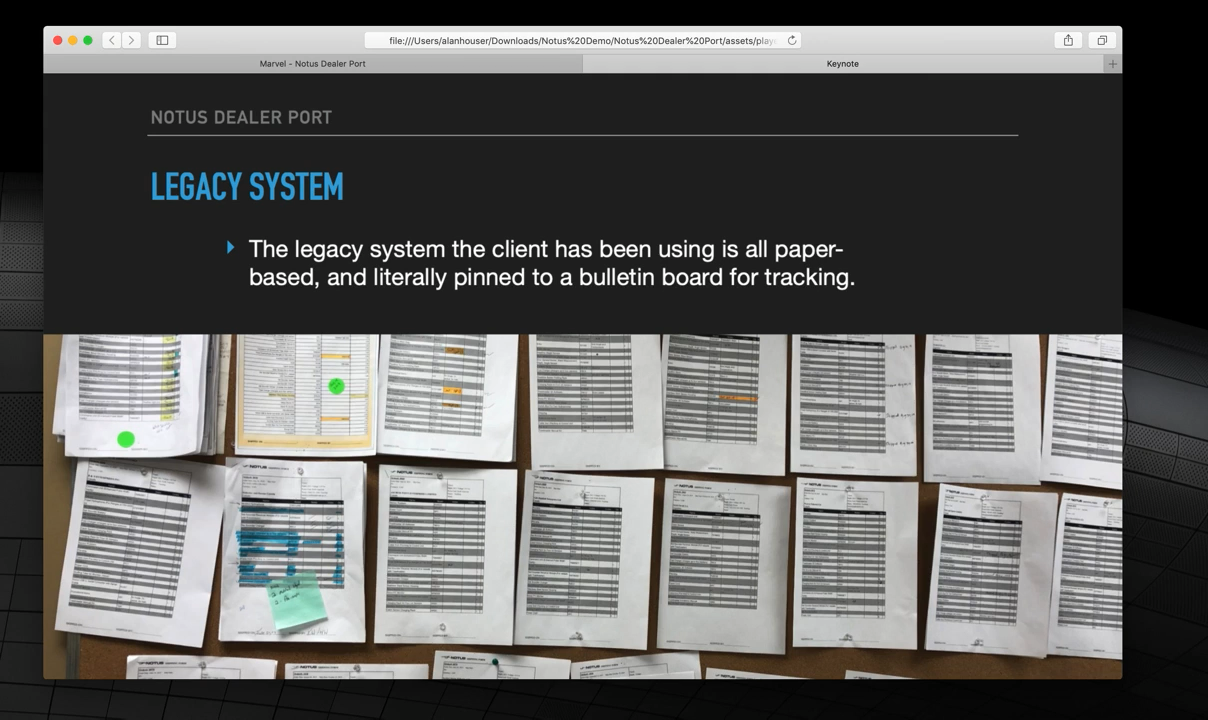
The Cork Board Problem
One of the most revealing discoveries was how orders were being managed internally.
The existing process relied heavily on spreadsheets, printed paperwork, and a physical bulletin board used to track production progress and order status.
The Dealer Port transformed that process into a centralized digital workflow.
Orders could be tracked from submission through production and shipment, with updates automatically recorded and communicated to dealers as milestones changed.
The result was greater visibility, accountability, and consistency across the organization.
My Role
This project combined strategy, product design, and implementation.
Product Strategy
Workflow analysis
Requirements gathering
Ecommerce platform evaluation
Process redesign
UX & Product Design
Information architecture
User flows
Wireframes
Interactive prototypes
Interface design
Development
Shopify implementation
Front-end development
Responsive design
Documentation architecture
Outcome
The final platform gave Notus a centralized workflow for dealer engagement, custom ordering, production tracking, and order management.
Rather than forcing the company to change how it operated, the platform modernized the experience around the processes that already worked.
The challenge wasn’t building ecommerce. It was designing a system that could manage custom orders, complex dealer relationships, and global operations while feeling as simple as adding an item to a cart.
Sampling of Outcome Screens: